Materials of the Himalayas
Materials of the Himalayas
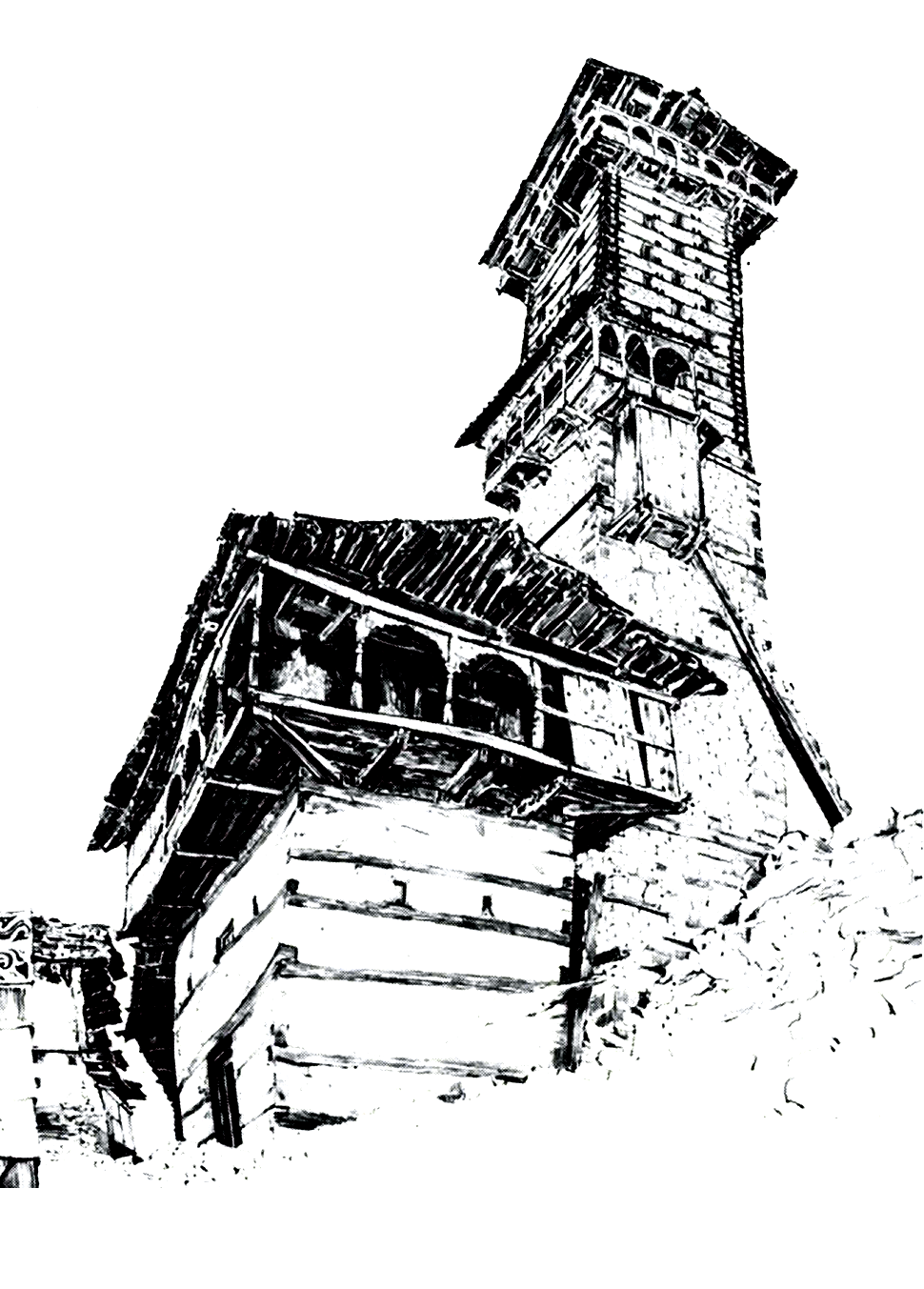
The vernacular architecture of the Himalayan region is closely tied to the materials available in the local landscape. For generations, communities have relied on natural resources such as stone, timber, earth, and slate to construct durable and climate-responsive buildings. These materials are carefully selected not only for their availability but also for their performance in mountain conditions—providing structural strength, thermal comfort, and resilience against harsh weather.
Using locally sourced materials reduces transportation, lowers construction costs, and ensures that buildings remain connected to their surrounding environment. Each material also reflects the knowledge and craftsmanship of local builders who understand how to shape, assemble, and maintain these resources effectively.
Stone Masonry
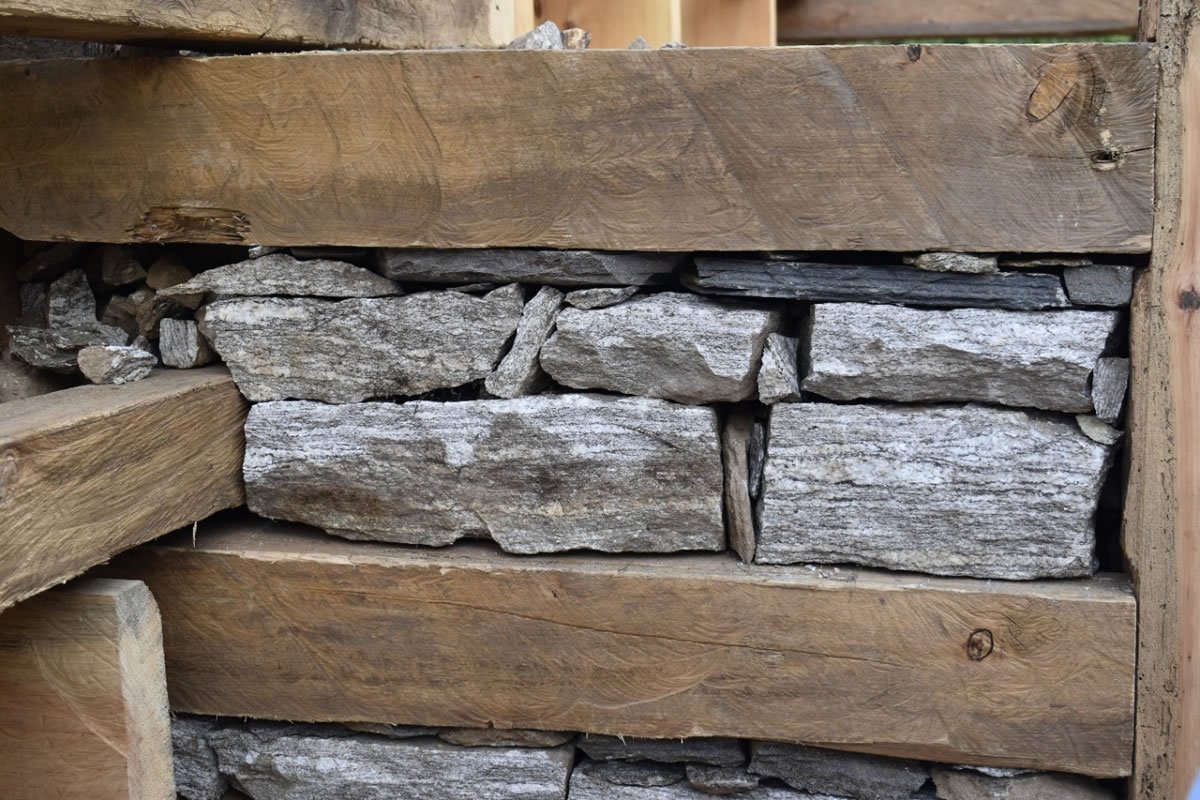
Stone is one of the most widely used materials in Himalayan construction due to its strength, durability, and availability. Thick stone walls provide structural stability and excellent thermal insulation, helping homes remain warm during cold winters. Stone masonry is often combined with timber elements to enhance earthquake resistance.
Timber
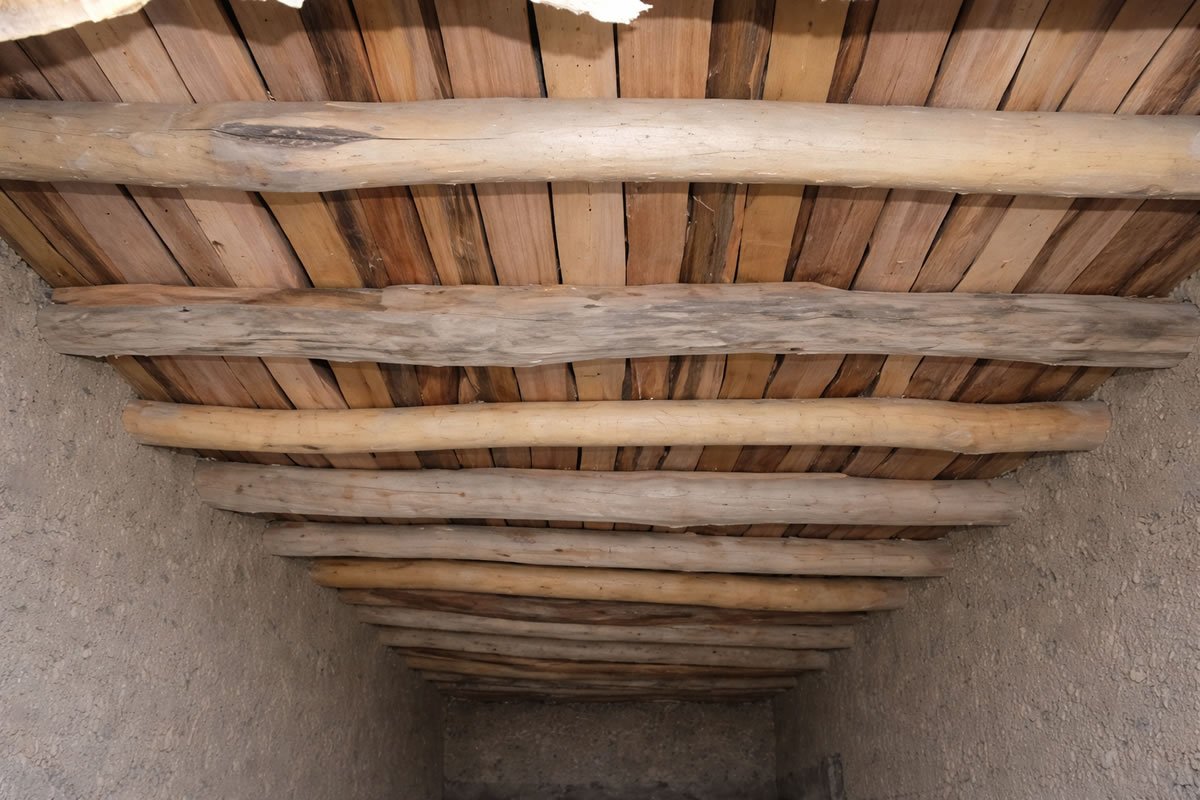
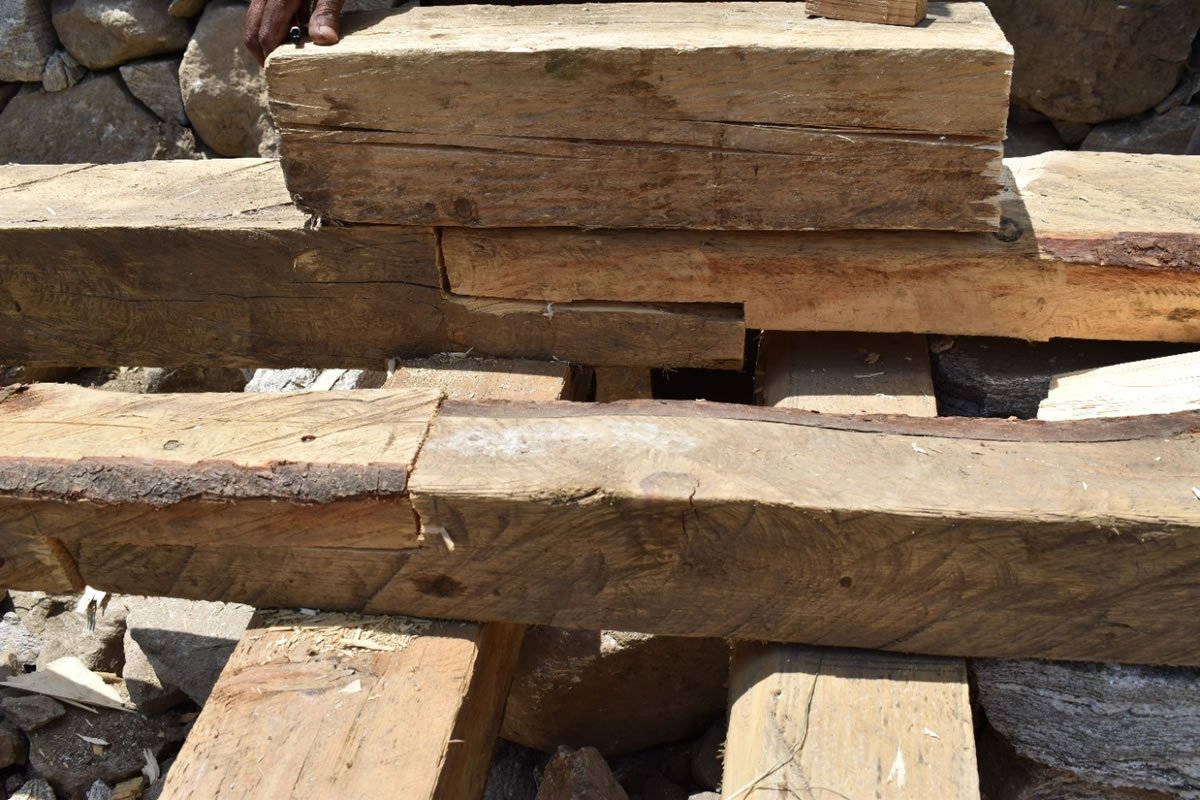
Timber is an essential component in all traditional Himalayan buildings. It is used for structural frames, beams, floors, and roofs, and also as reinforcement within walls. Its natural flexibility helps buildings respond better to earthquakes. Timber is a material element in most traditional buildings. It contributing to both strength and resilience.
Mud Plaster
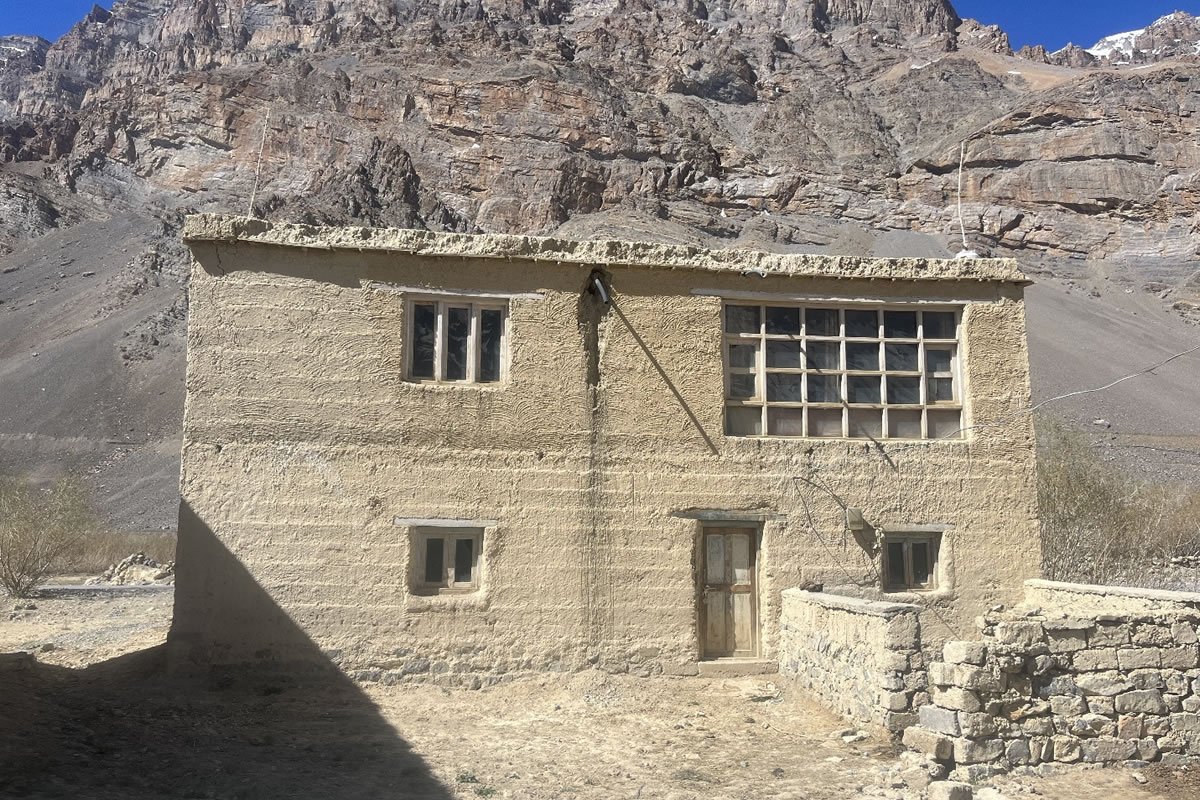
Mud plaster is used in almost all traditional buildings for wall finishing and insulation. It fills gaps, controls moisture, and helps maintain comfortable indoor temperatures. Its breathable nature prevents dampness and supports a healthy indoor environment. Mud plaster is commonly seen in Kath-Kunni, Dhajji-Dewari, Taq construction, and rammed earth houses.
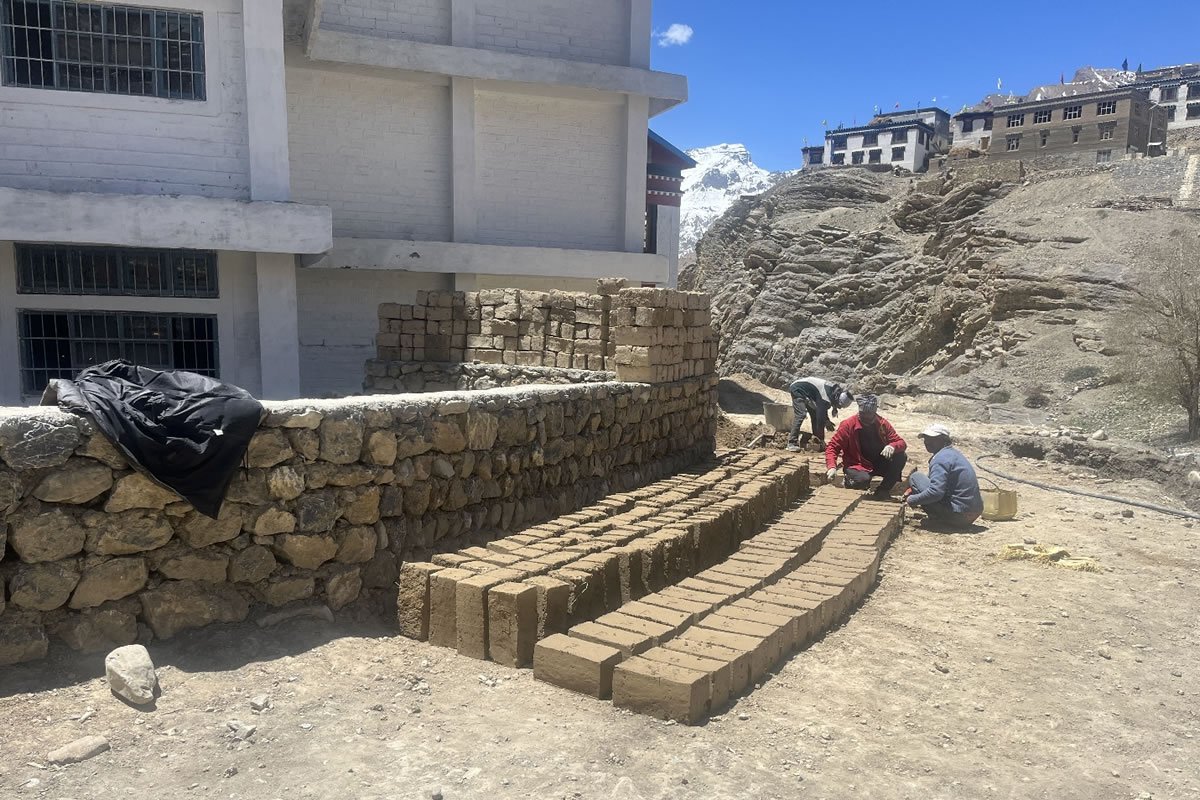
Earth Construction
Earth is primarily used for wall construction in rammed earth houses. These thick walls provide excellent thermal mass, keeping interiors warm in winter and cool in summer. Earth is also combined with timber frameworks in some traditional systems, making it a sustainable and efficient building material.
Slate Roofing
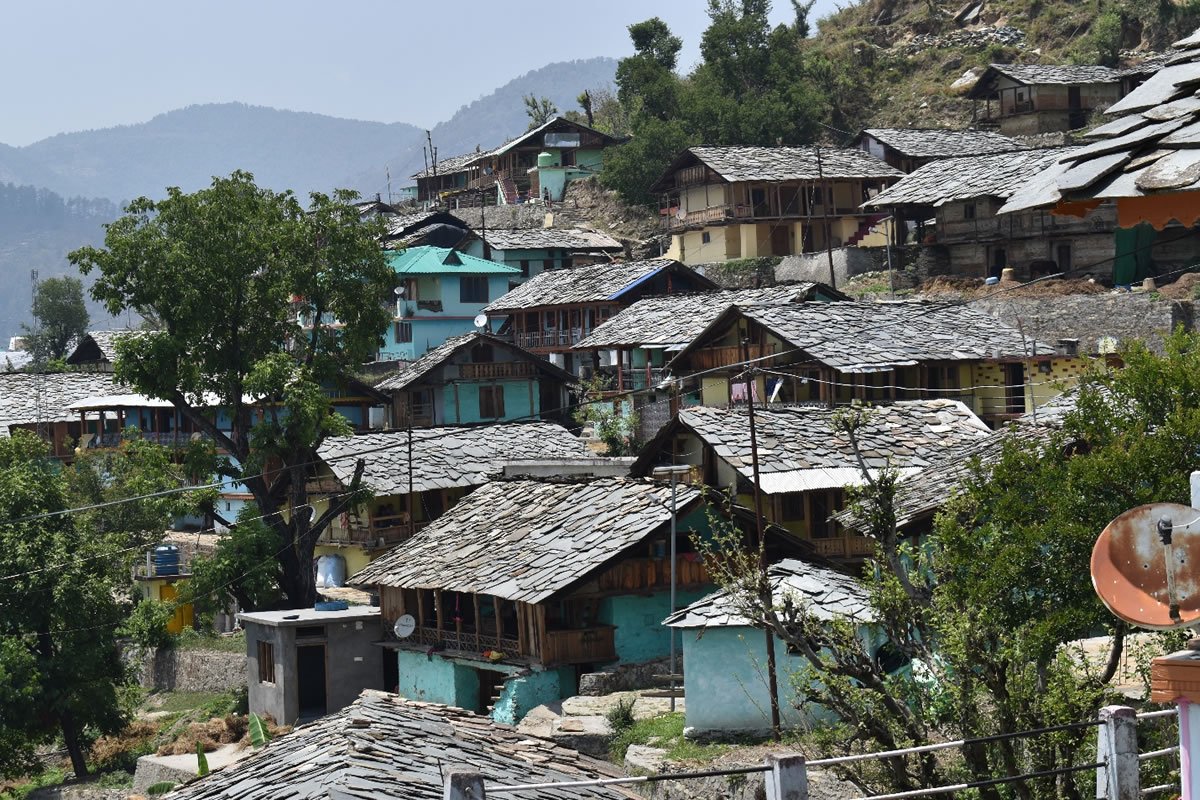
Slate stone is widely used as a roofing material in traditional systems such as Kath-Kunni, Dhajji-Dewari, and Thathara. These stone are highly durable and can withstand heavy snow, rain, and strong winds. Slate roofs also provide additional insulation and have a long lifespan with minimal maintenance.
Bamboo
Bamboo is mainly used in roofing systems and, in some cases, for flooring support in traditional Himalayan buildings. In rammed earth houses, it is commonly used as a supportive layer in floors and as part of the roof structure. Being lightweight and flexible, bamboo helps reduce the overall load of the building and improves its performance during seismic activity. It is also used for partitions and other secondary elements within the structure.