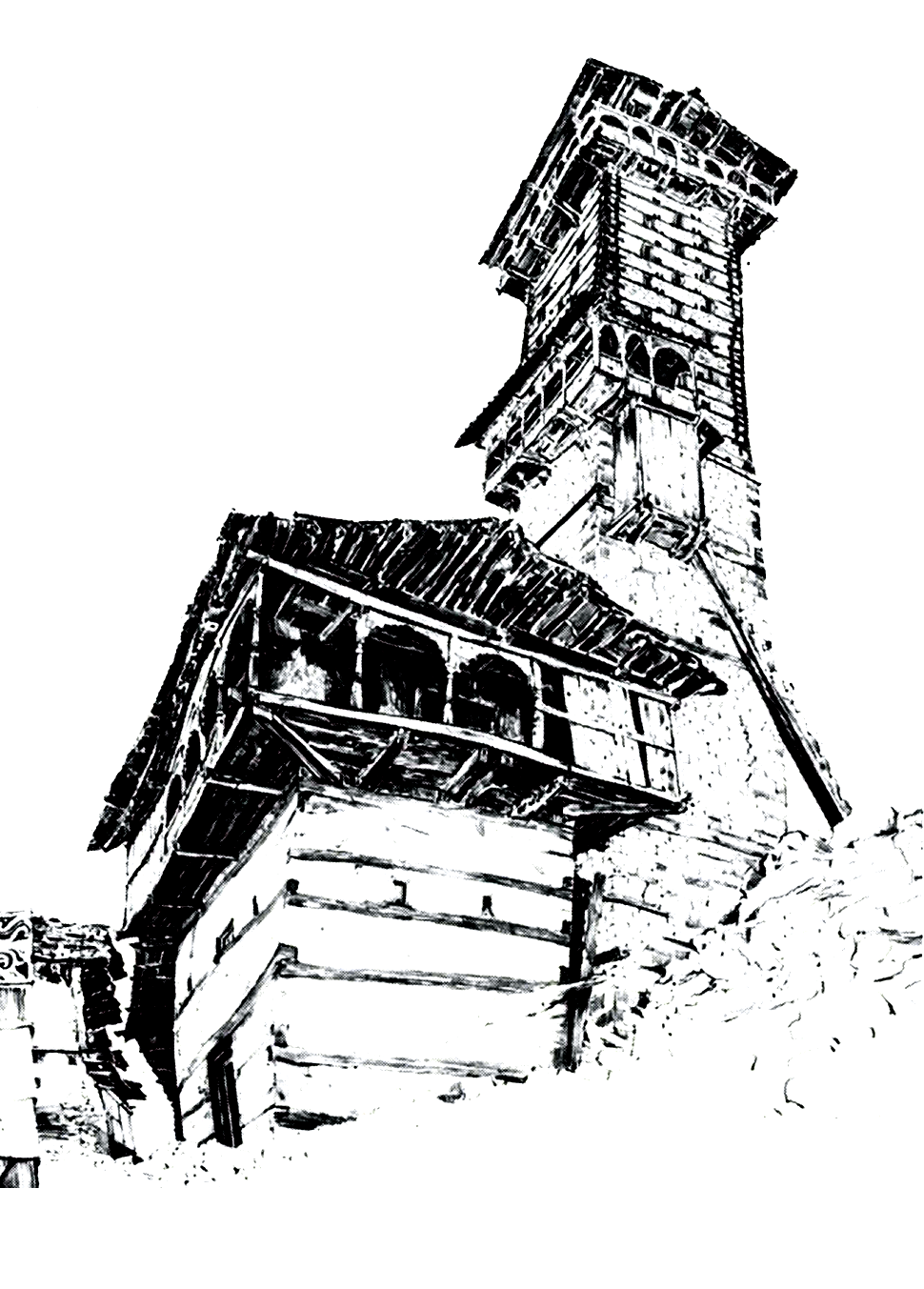
Harmony with the Landscape
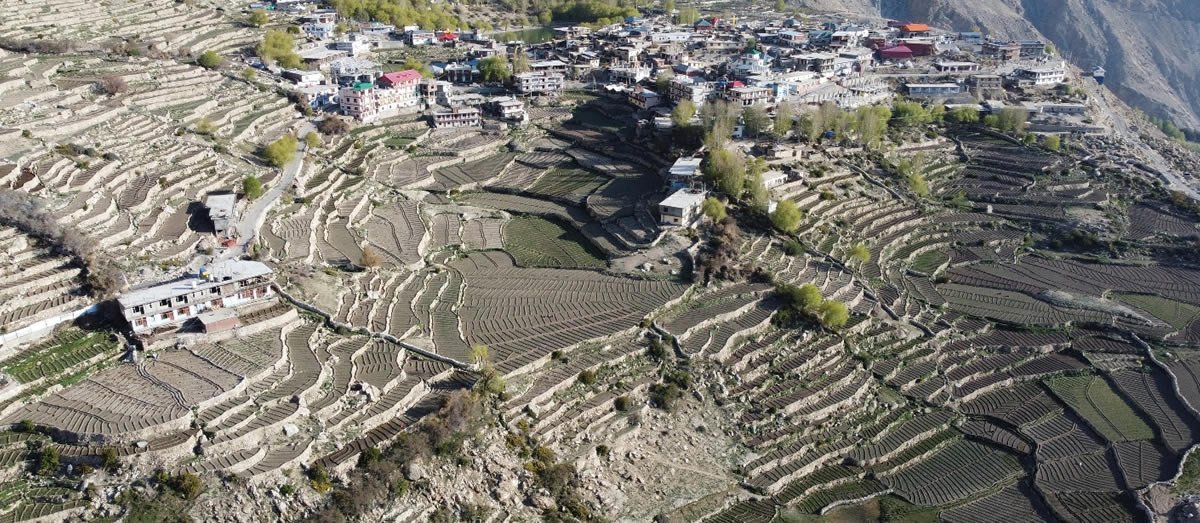
Instead of altering the land to suit construction, traditional builders design their homes to follow the existing terrain. Houses are often built along slopes, terraces, or natural ridges, which reduces the need for heavy excavation and helps protect the delicate mountain environment.
The use of locally available materials such as stone, timber, and earth allows these structures to blend seamlessly with their surroundings. Their colors, textures, and overall form reflect the character of the region, making them appear as a natural part of the landscape rather than something imposed on it. Roofs are shaped to handle rain and snow, while the orientation of buildings makes the best use of sunlight, wind, and scenic views.
This way of building not only protects the environment but also improves the safety and stability of settlements. By respecting natural drainage, slope conditions, and existing vegetation, these structures reduce the risk of issues like soil erosion and landslides. Building in this manner shows a deep understanding of how to live in balance with nature.
In a time of rapid development and increasing environmental challenges, this approach offers an important lesson: truly sustainable architecture begins with understanding and respecting the land on which it is built.
Harmony with the Landscape
1. Following Mountain Slopes
In the Himalayan region, traditional houses are usually built along natural slopes or terraces instead of flattening the land completely. Builders design these homes to follow the natural shape of the terrain, forming stepped settlements that fit comfortably into the mountainside. This approach reduces the need for heavy digging and helps keep the slopes stable.
2. Respecting Natural Drainage
In mountain regions, heavy rainfall and melting snow make water flow an important factor. Traditional settlements are planned in a way that does not block natural drainage paths. Houses are positioned so that water can move freely downhill, helping to prevent erosion, flooding, and damage to structures.
3. Minimizing Land Disturbance
Vernacular construction avoids major changes to the landscape. Instead of cutting into mountains or flattening large areas, builders make only minimal adjustments to the site. This helps protect the fragile mountain environment and reduces the chances of landslides and soil instability.
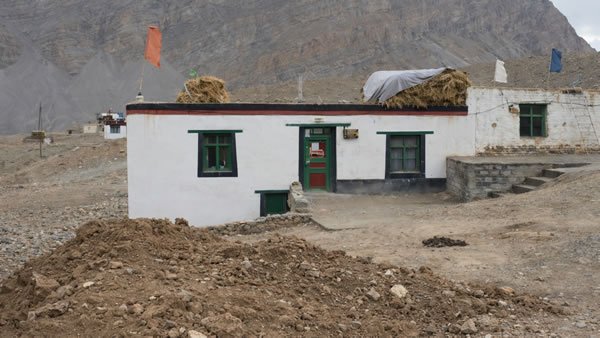
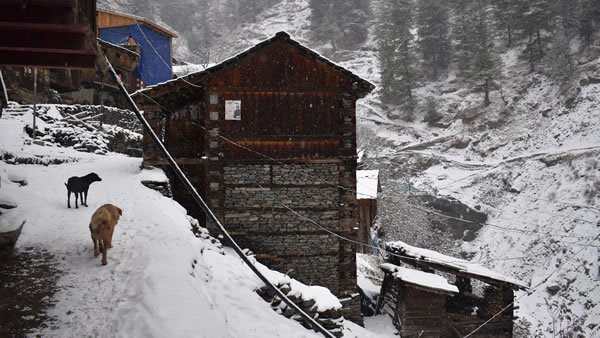
4. Visually Blending with Nature
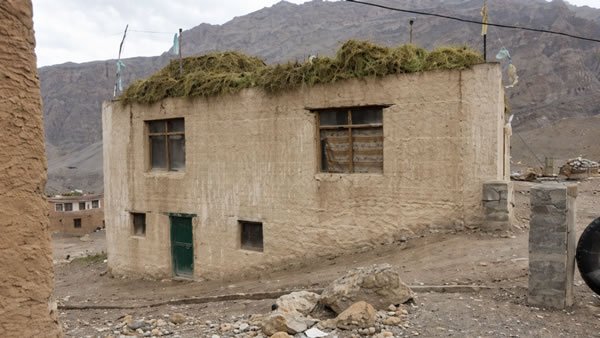
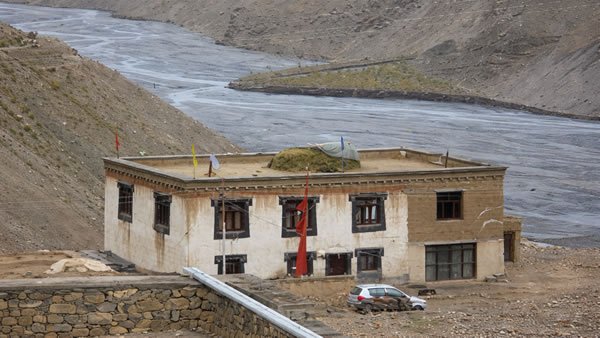
Traditional buildings use materials like stone, timber, and earth, which are found locally. These materials match the natural colours and textures of the surroundings, allowing buildings to blend in with the landscape. As a result, settlements appear as a natural part of the mountains rather than something separate from them.