
Challenges of Modern Construction in the Himalayas


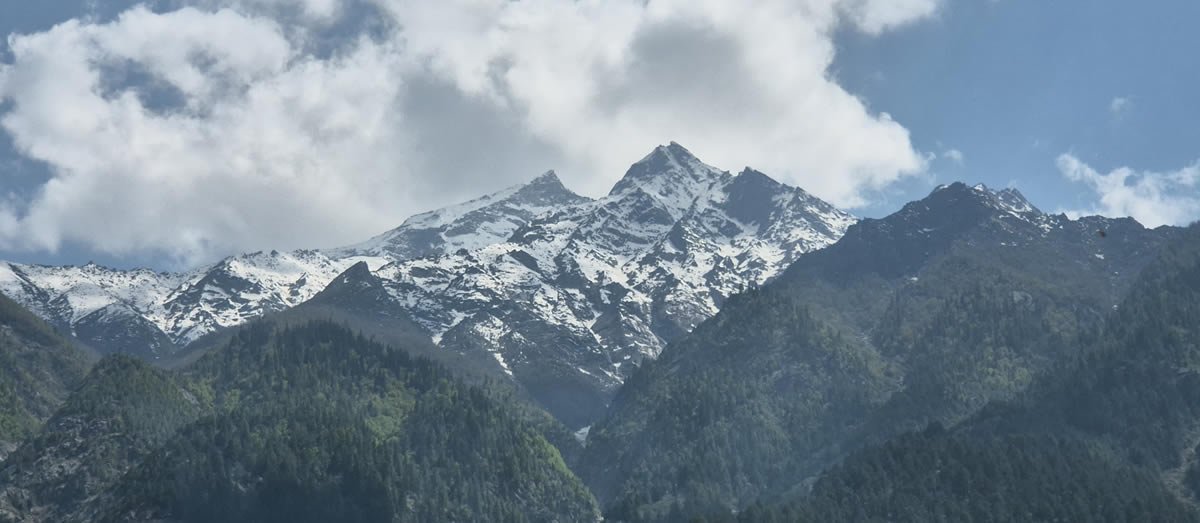
In recent decades, modern construction methods have become common across many parts of the country. However, in the Himalayan region, these approaches do not always respond well to local conditions. The mountains are defined by steep slopes, frequent earthquakes, harsh weather, and fragile ecosystems—factors that require building practices closely adapted to their surroundings.


Seismic Safety

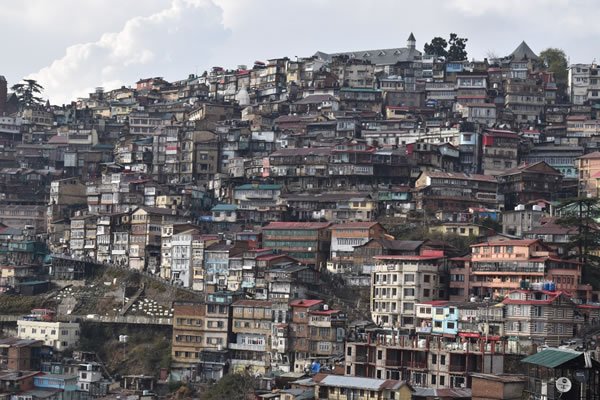
Many modern buildings, when not designed specifically for earthquake-prone areas, can be vulnerable during seismic events. Their heavy and rigid nature makes it difficult for them to absorb ground movement, increasing the risk of structural damage as well as potential loss of life.

Thermal Comfort

Such buildings often lack natural insulation, making indoor spaces very cold in winter and uncomfortably warm in summer, especially in high-altitude regions with extreme temperature variations.

Environmental Impact

The materials commonly used in modern construction require high energy for production and transportation, leading to increased carbon emissions. Bringing these materials into remote mountain regions further adds to environmental stress.

Incompatibility with Terrain

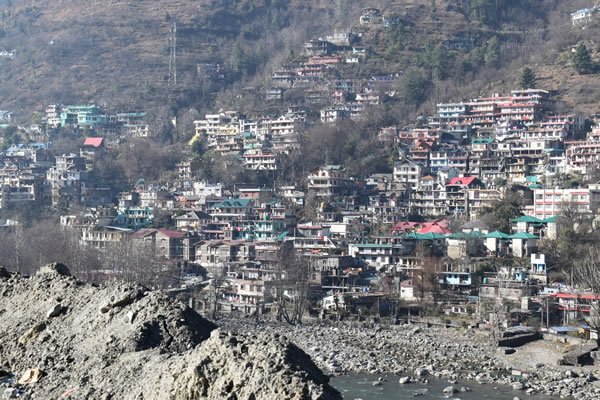
Large structures frequently involve cutting into slopes and altering the natural landscape. This can disturb soil stability and increase the likelihood of landslides.

Loss of Local Knowledge

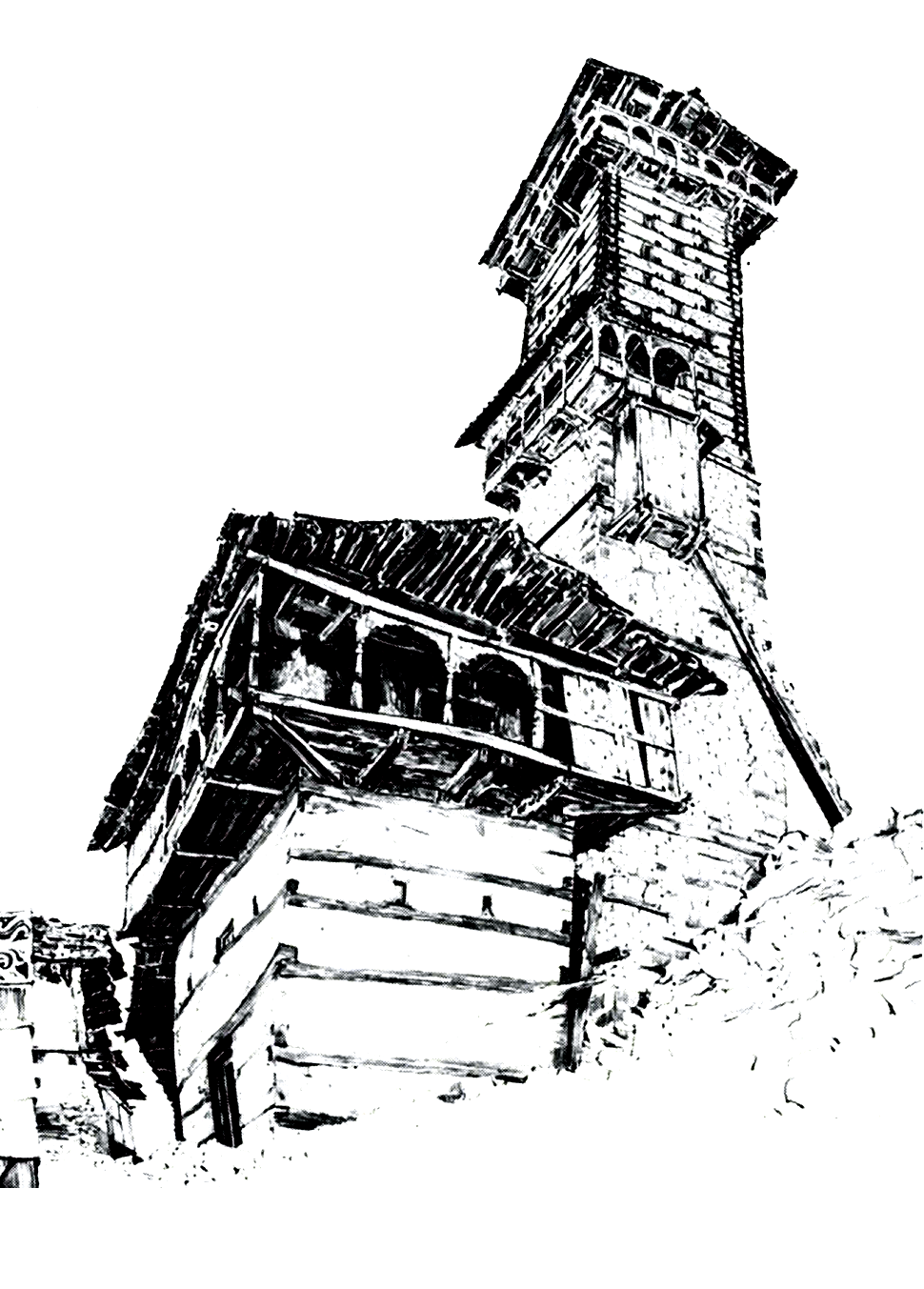
The growing dependence on standardized building methods has led to a decline in traditional knowledge. As these practices replace local techniques, the skills of craftsmen and the understanding developed over generations begin to disappear, weakening the connection between communities, their built environment, and the natural landscape.


Why Vernacular Architecture Matters Today