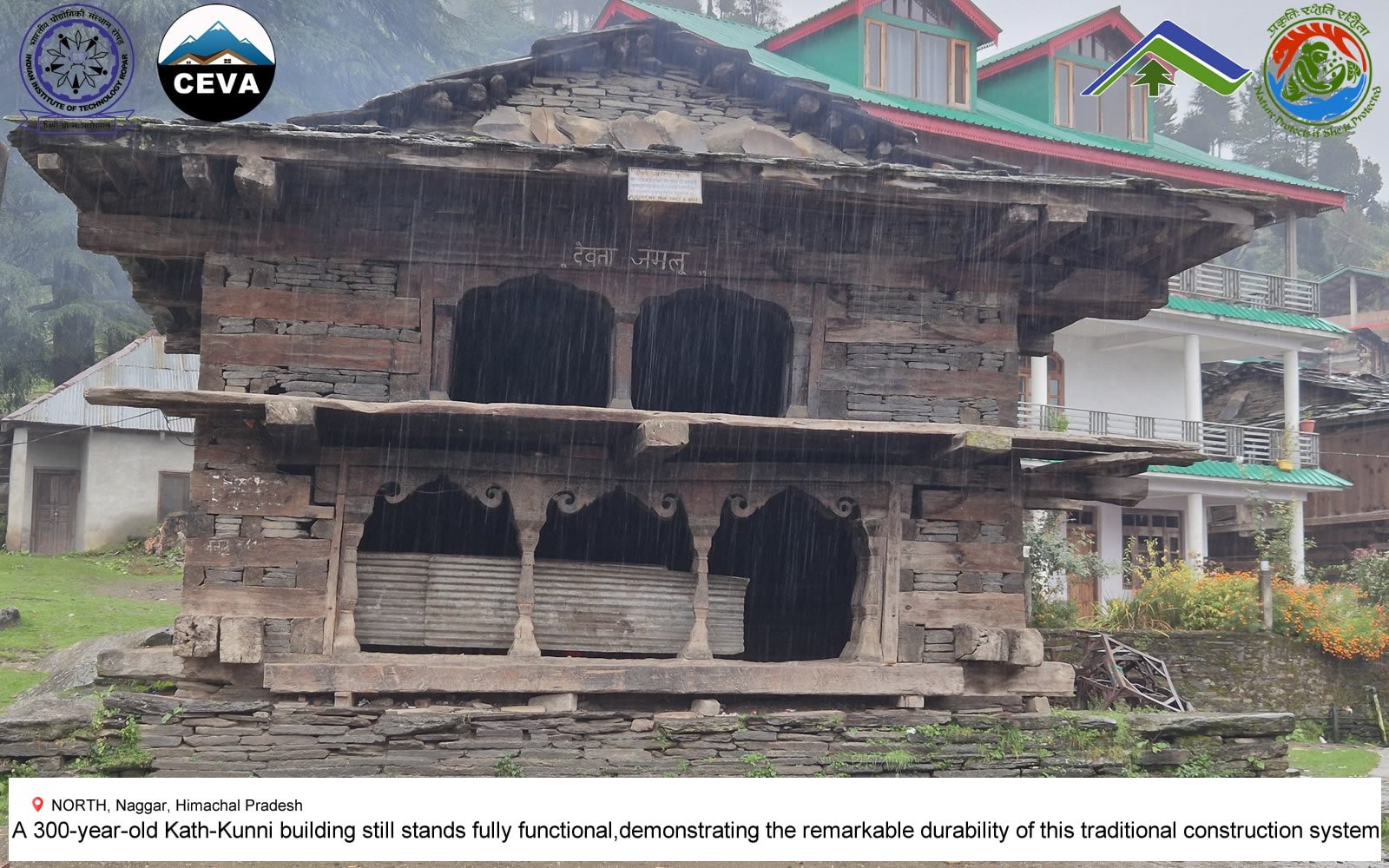
Site Visits
Site-Visits
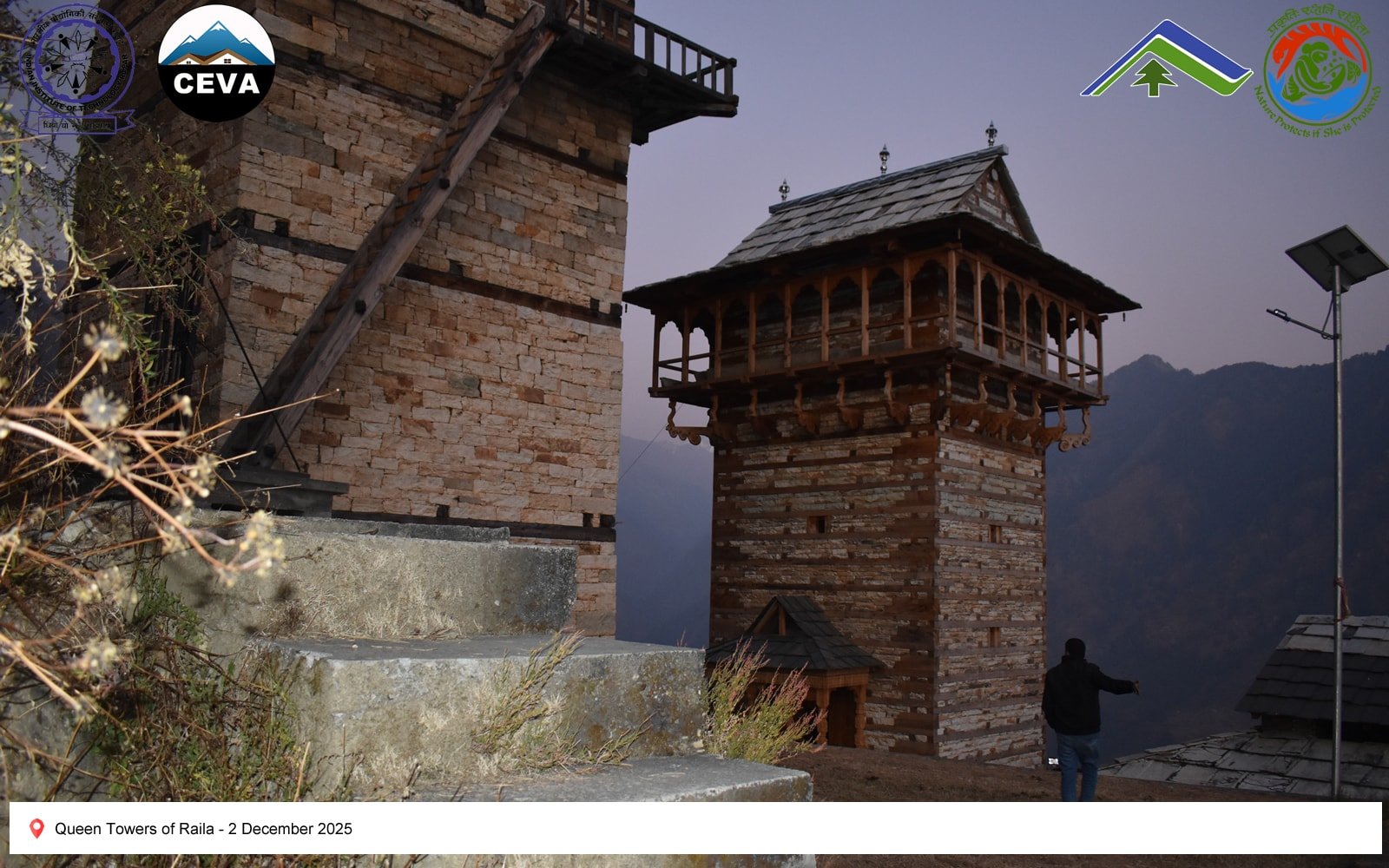
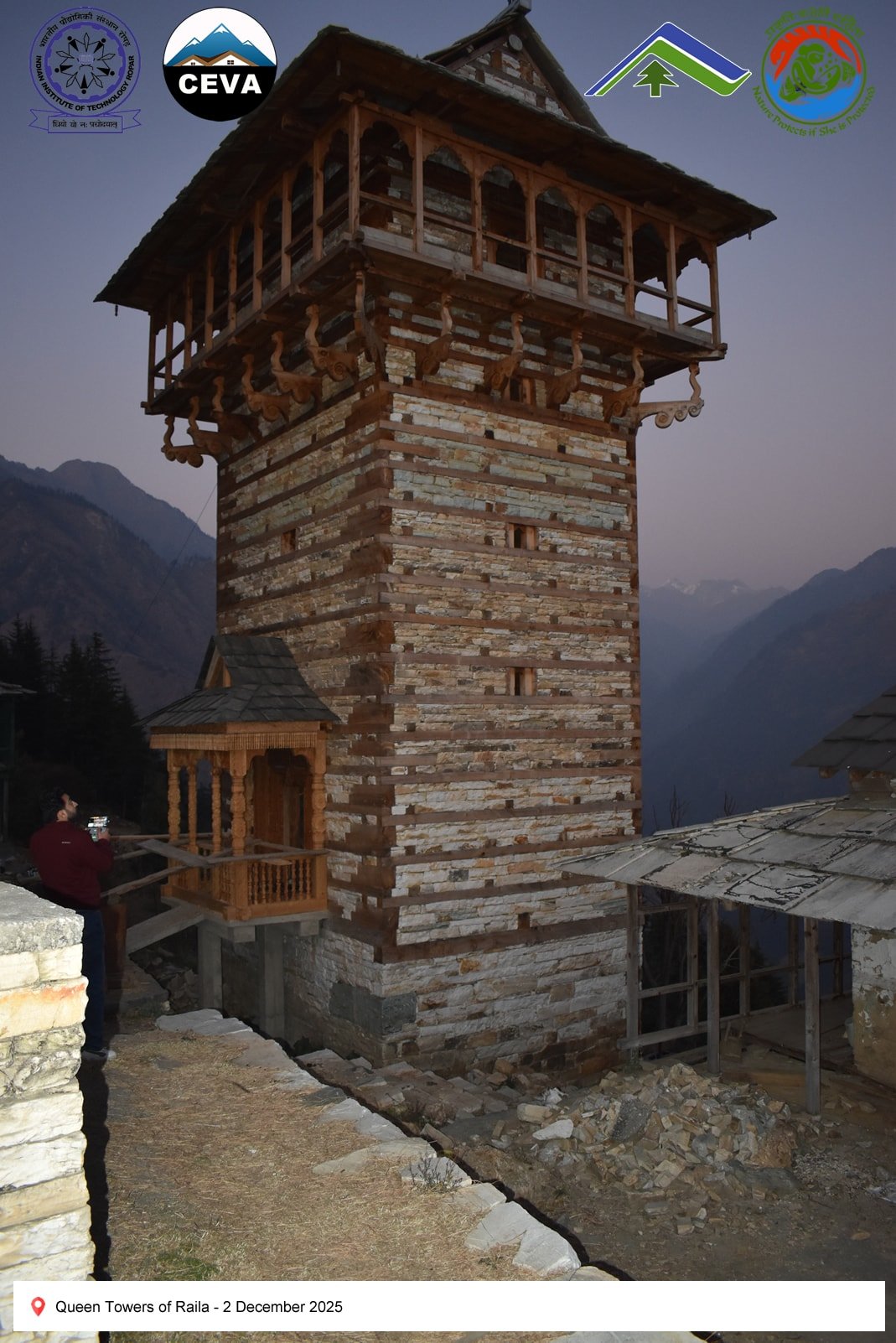
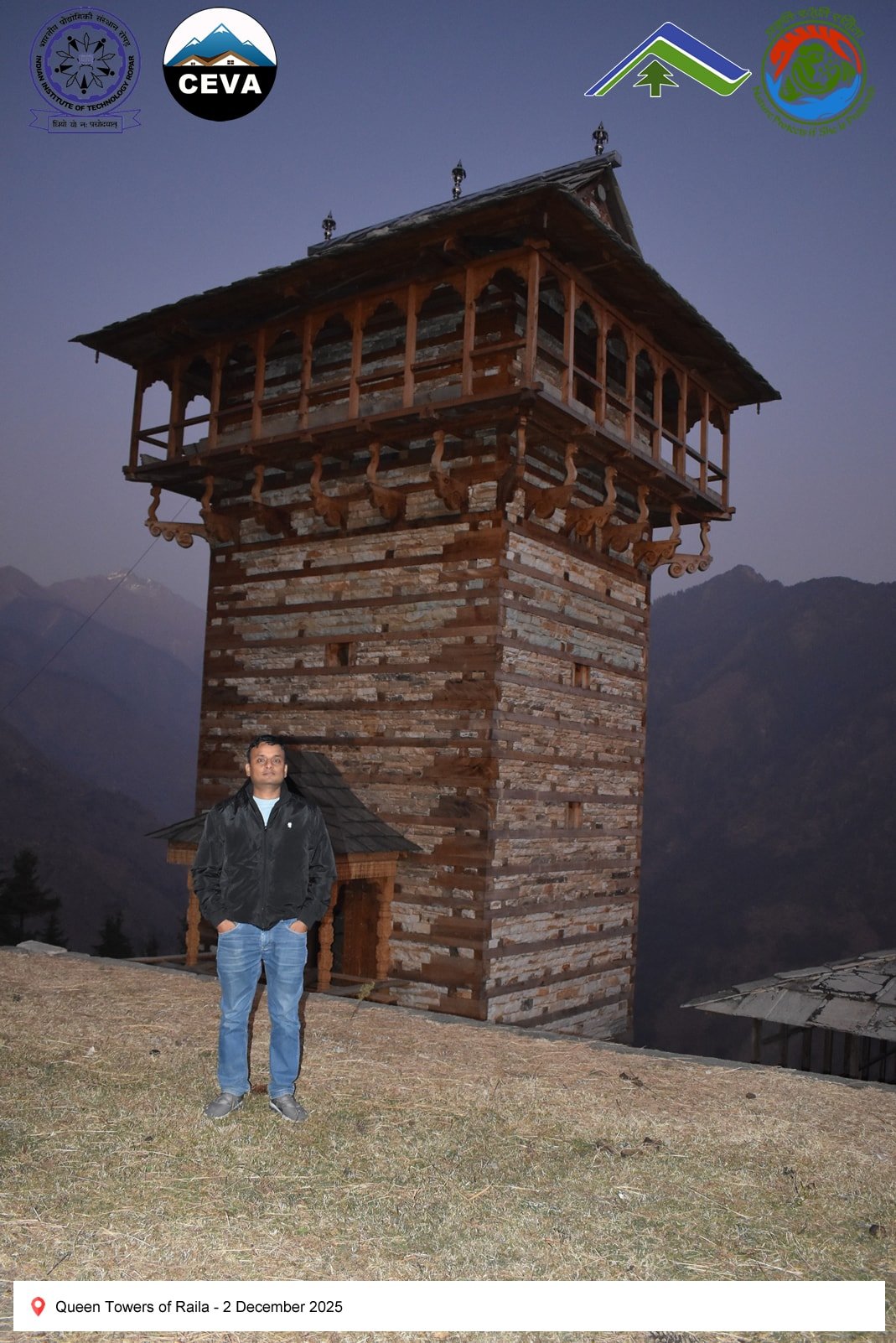
A visit to Queen Towers of Raila, Himachal Pradesh, on 2 December 2025, to document heritage structures in seismically active regions.
Queen Towers of Raila (Kath-Kunni Style)
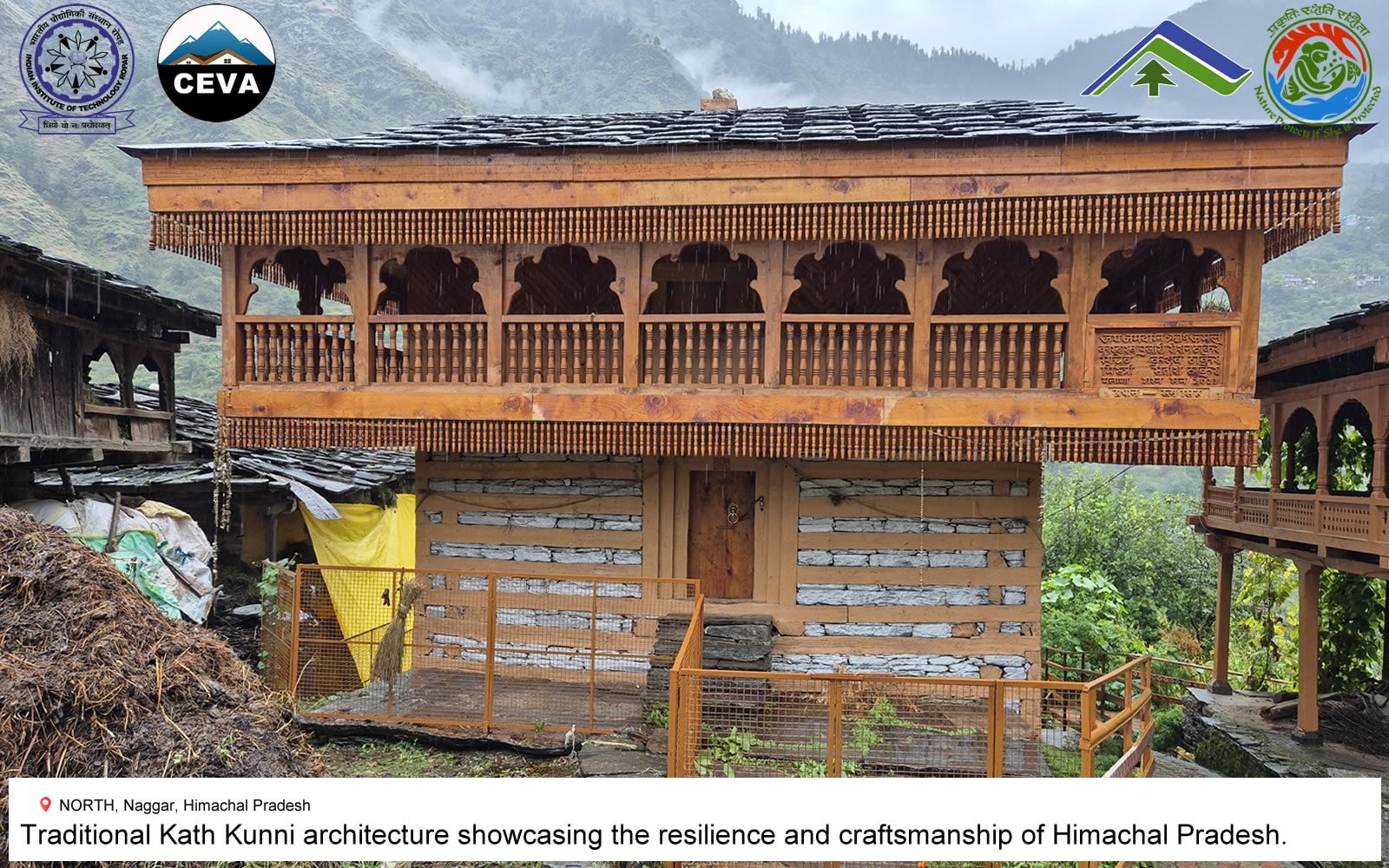
The second structure documented was the Queen Towers of Raila, a pair of Kath-Kunni towers rising to about 50 feet. Historically used as watchtowers, they feature inward-to-outward tapering window openings, a clear indication of their defensive function during periods of conflict. While the towers are currently undergoing modifications for aesthetic enhancement, their form, materiality, and detailing continue to reflect the strategic and structural intelligence of traditional Himalayan architecture in a high-seismic context.
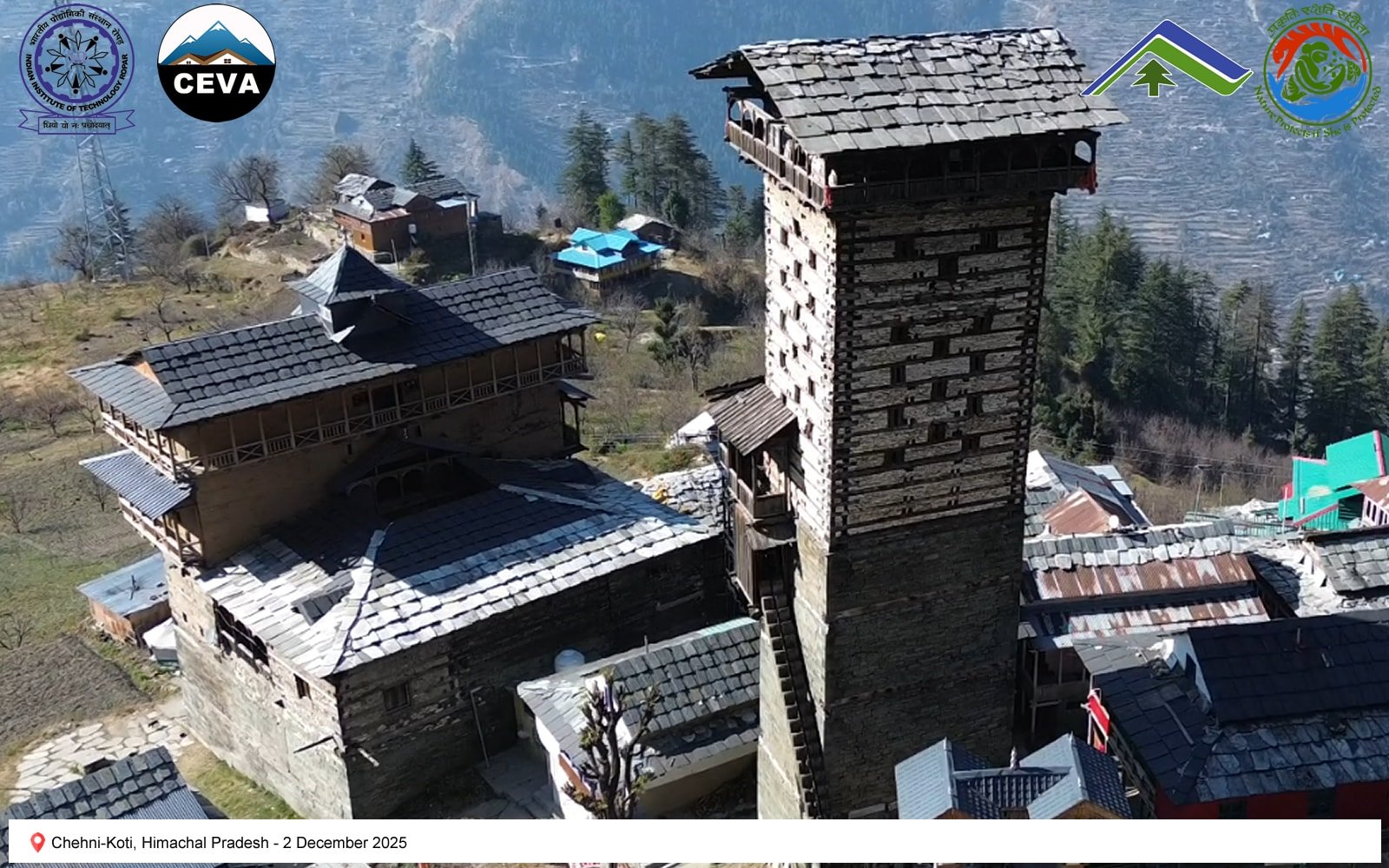
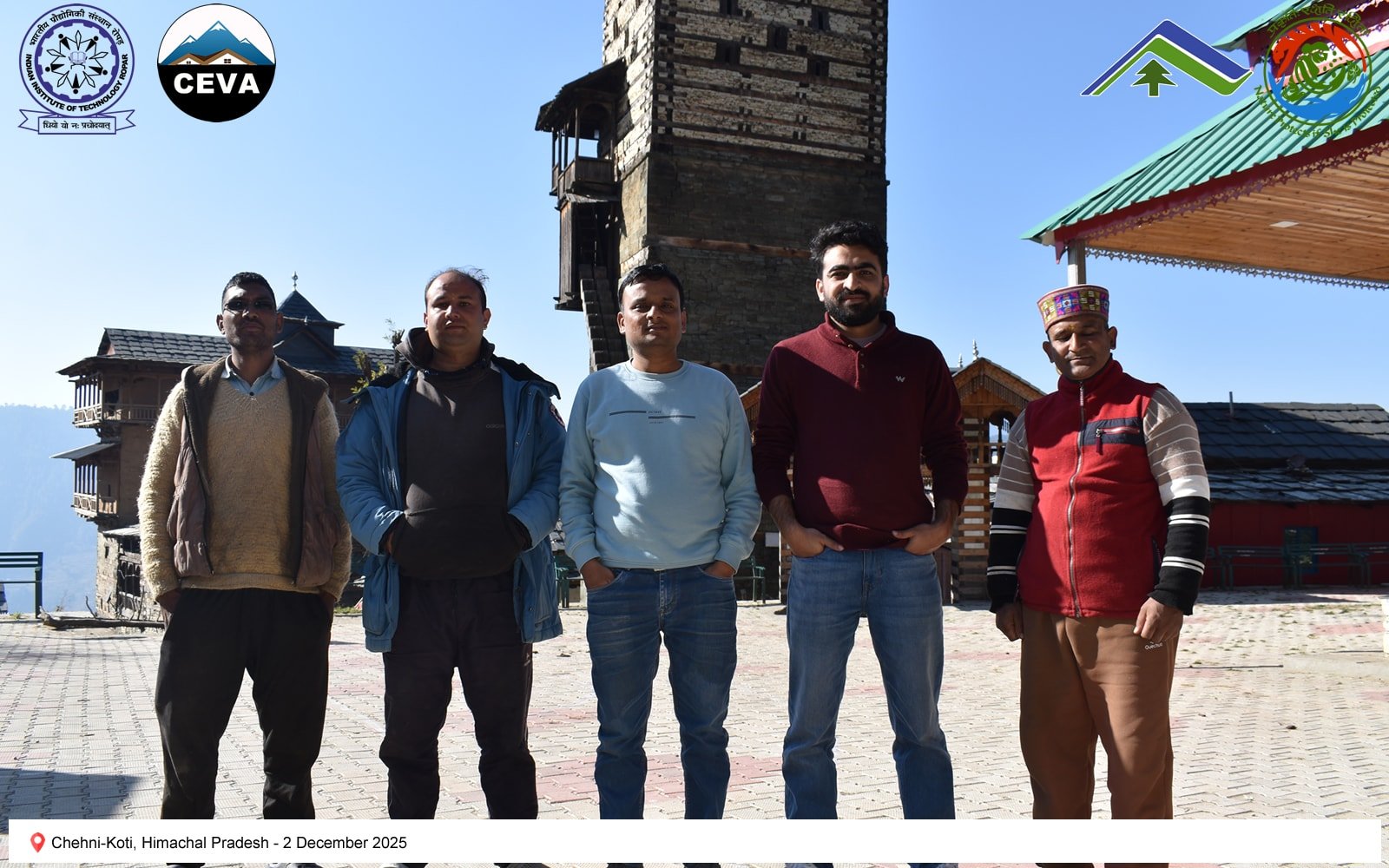
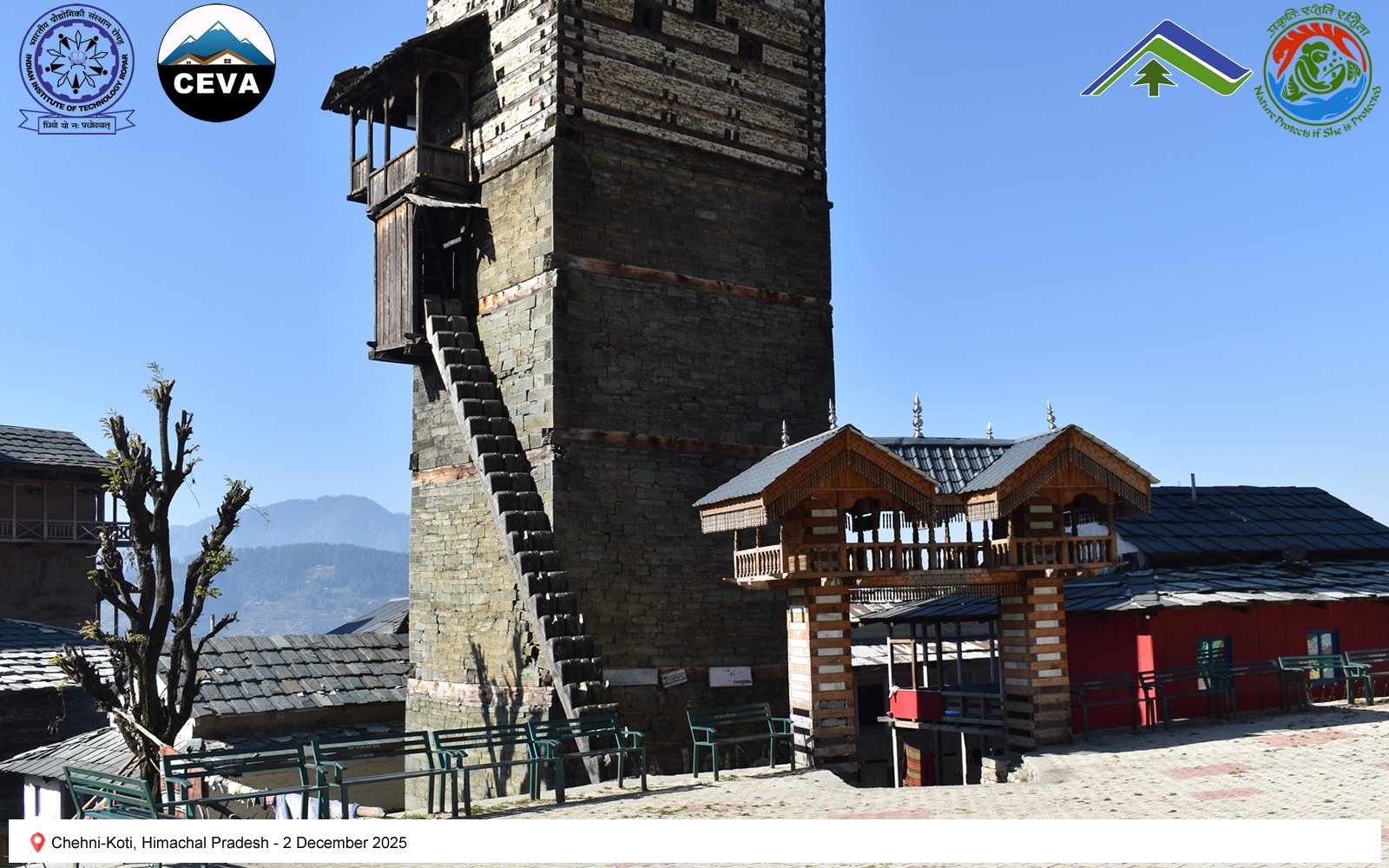
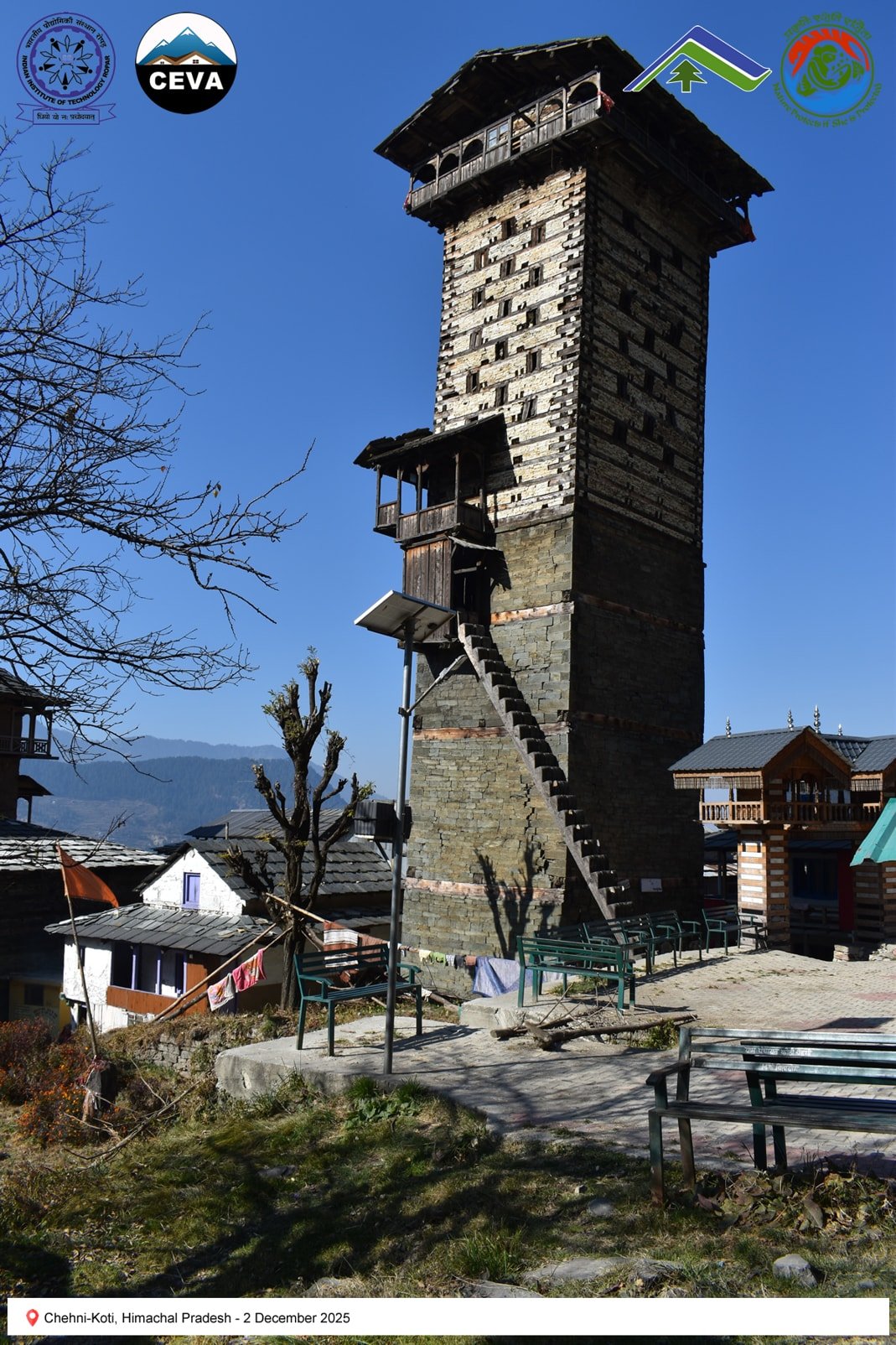
A visit to Chehni-Koti , Himachal Pradesh, on 2 December 2025, to document heritage structures in seismically active regions.
Chehni-Koti (Kath-Kunni Tower)
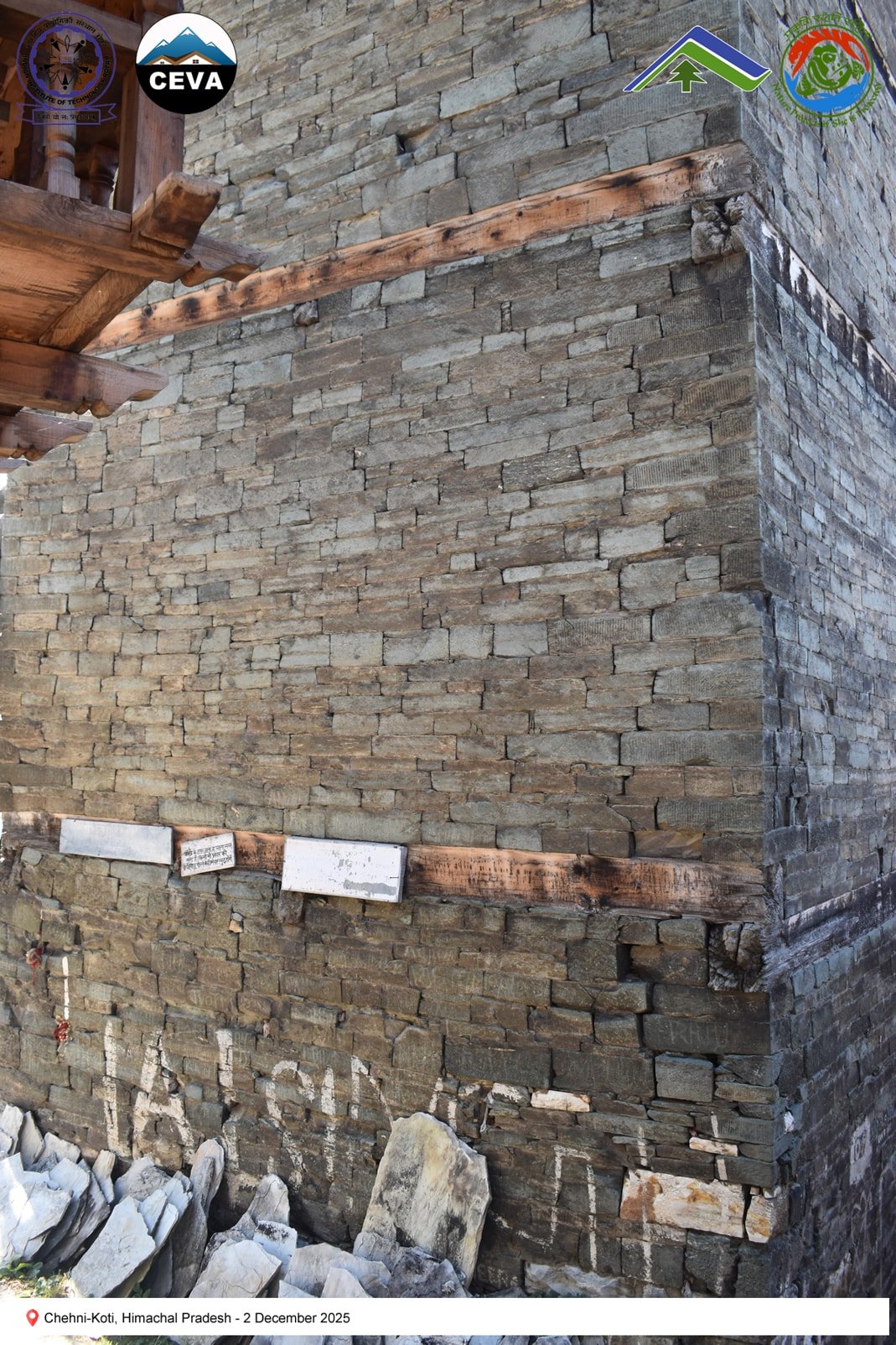
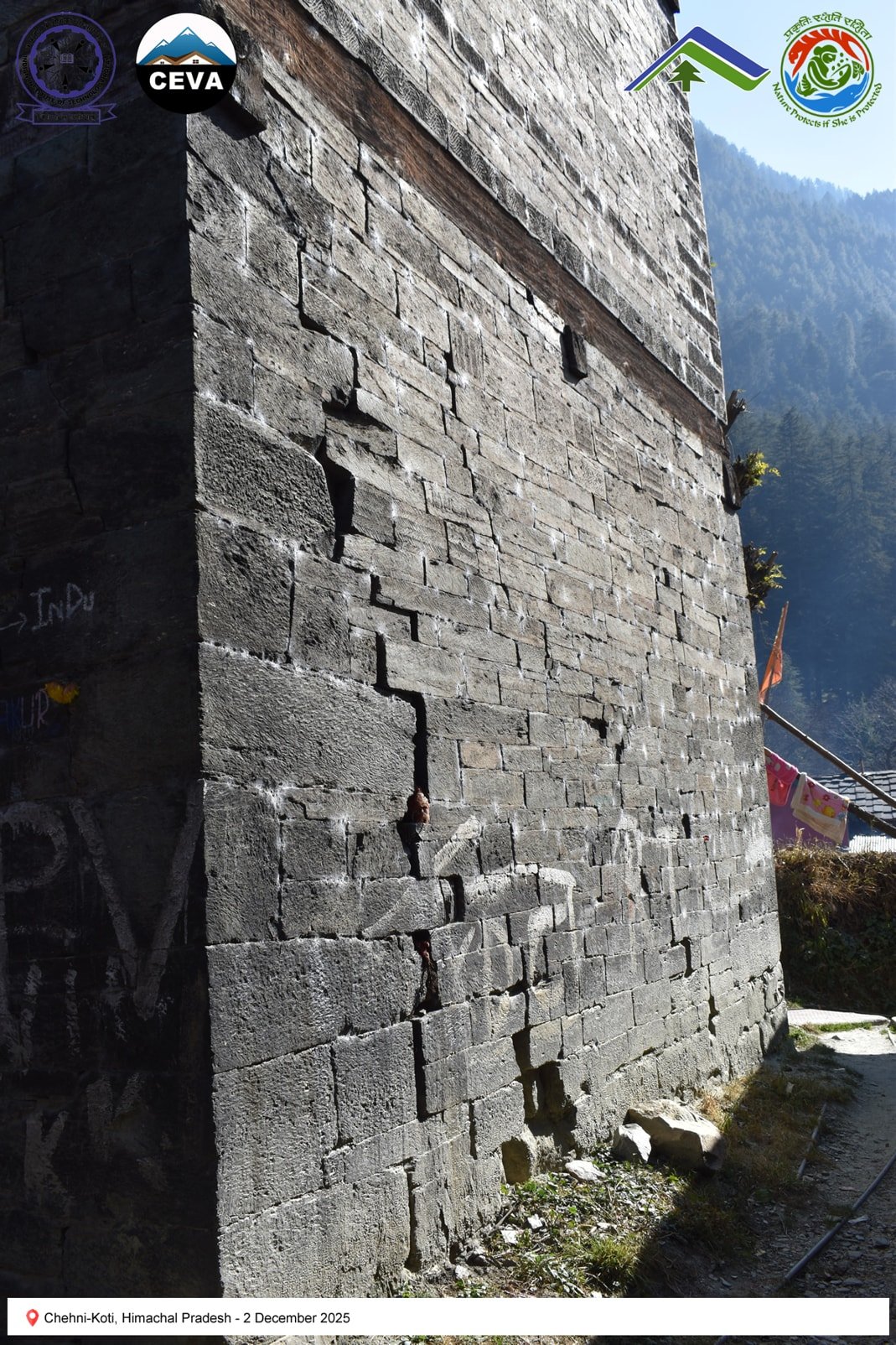
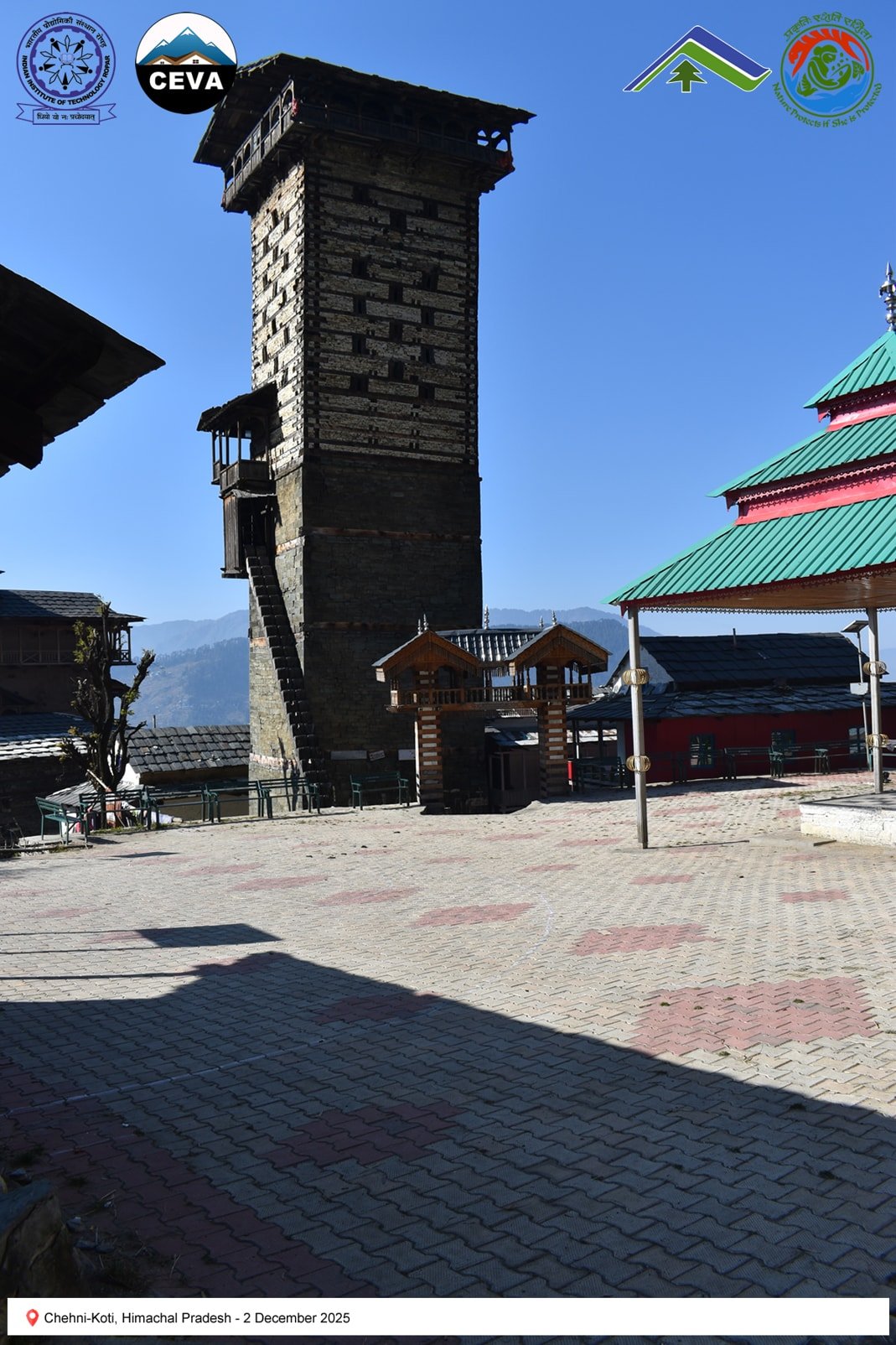
On 2 December 2025, the CEVA team documented heritage structures in seismically active regions of Himachal Pradesh. Chehni-Koti, an approximately 85-foot-tall Kath-Kunni tower, exemplifies traditional earthquake-resilient construction. Located in a zone that has experienced major seismic events—including the Kangra (1905), Kinnaur (1975), Chamoli (1949), Uttarkashi (1991), Sikkim–Nepal (2011), and Gorkha (2015) earthquakes—the tower’s upper portion, built with a composite system of interlocked timber and stone, was damaged during the 1905 Kangra earthquake and subsequently reconstructed. Its survival and repair highlight the adaptive capacity and resilience embedded in vernacular Himalayan building practices.
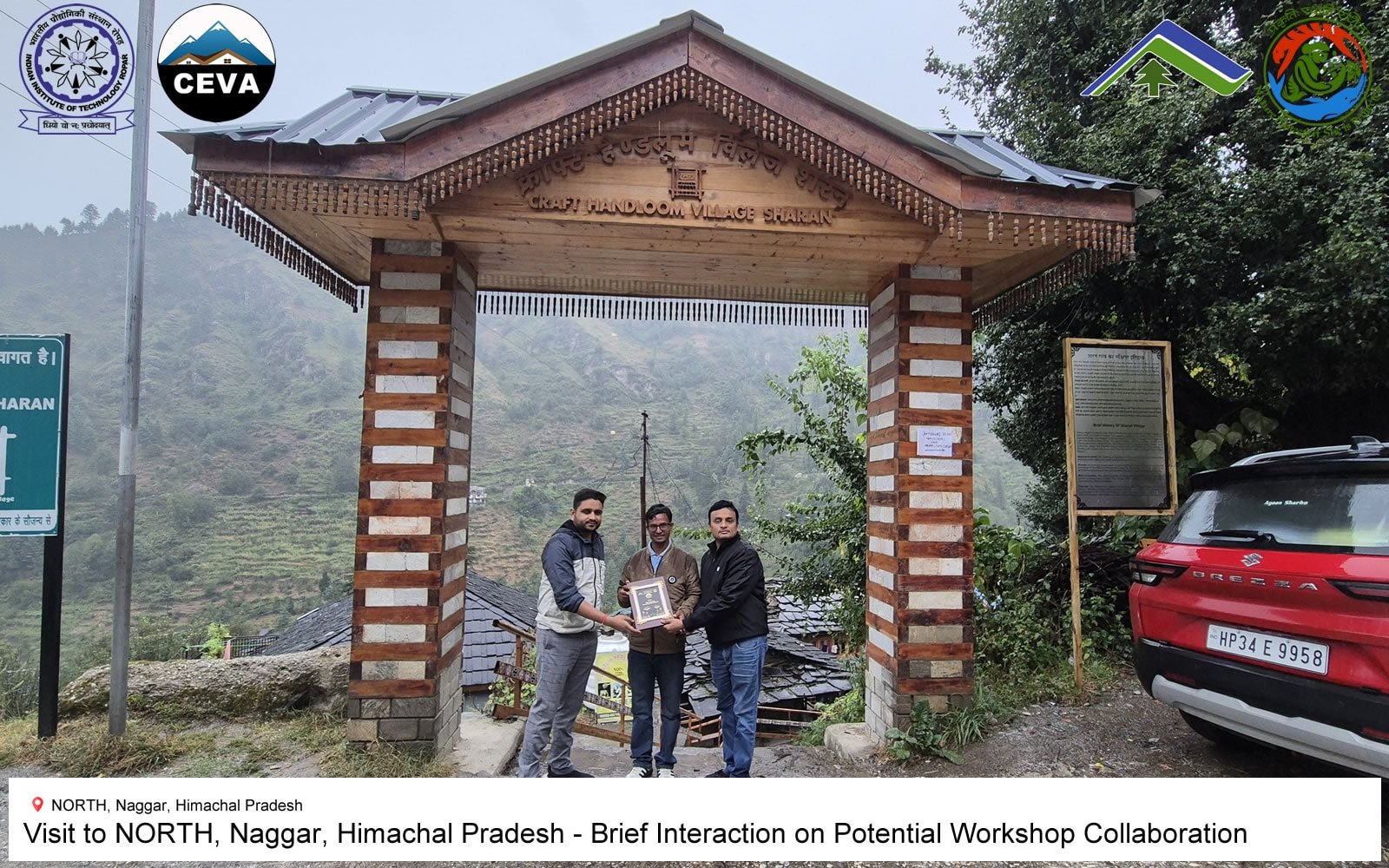
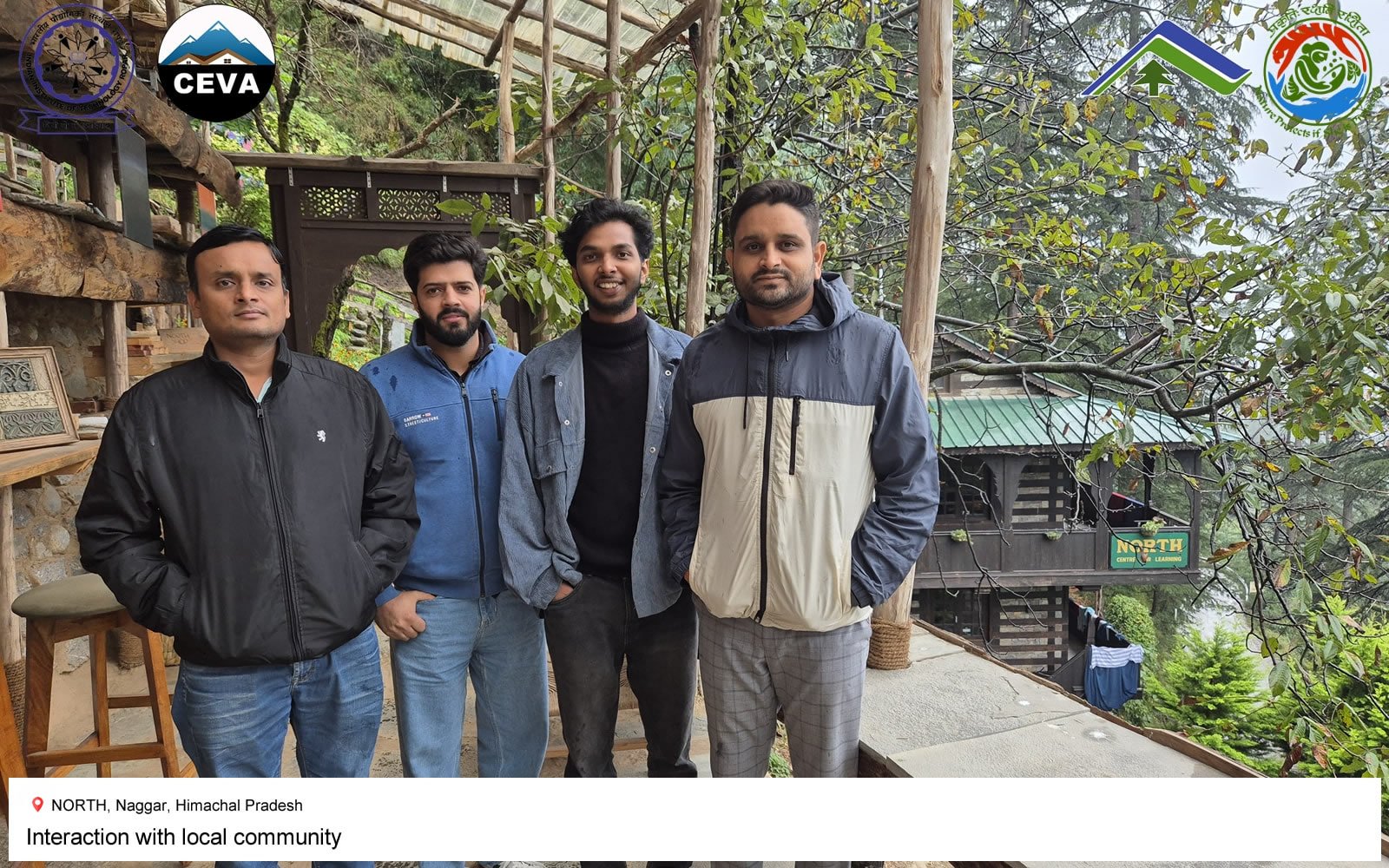
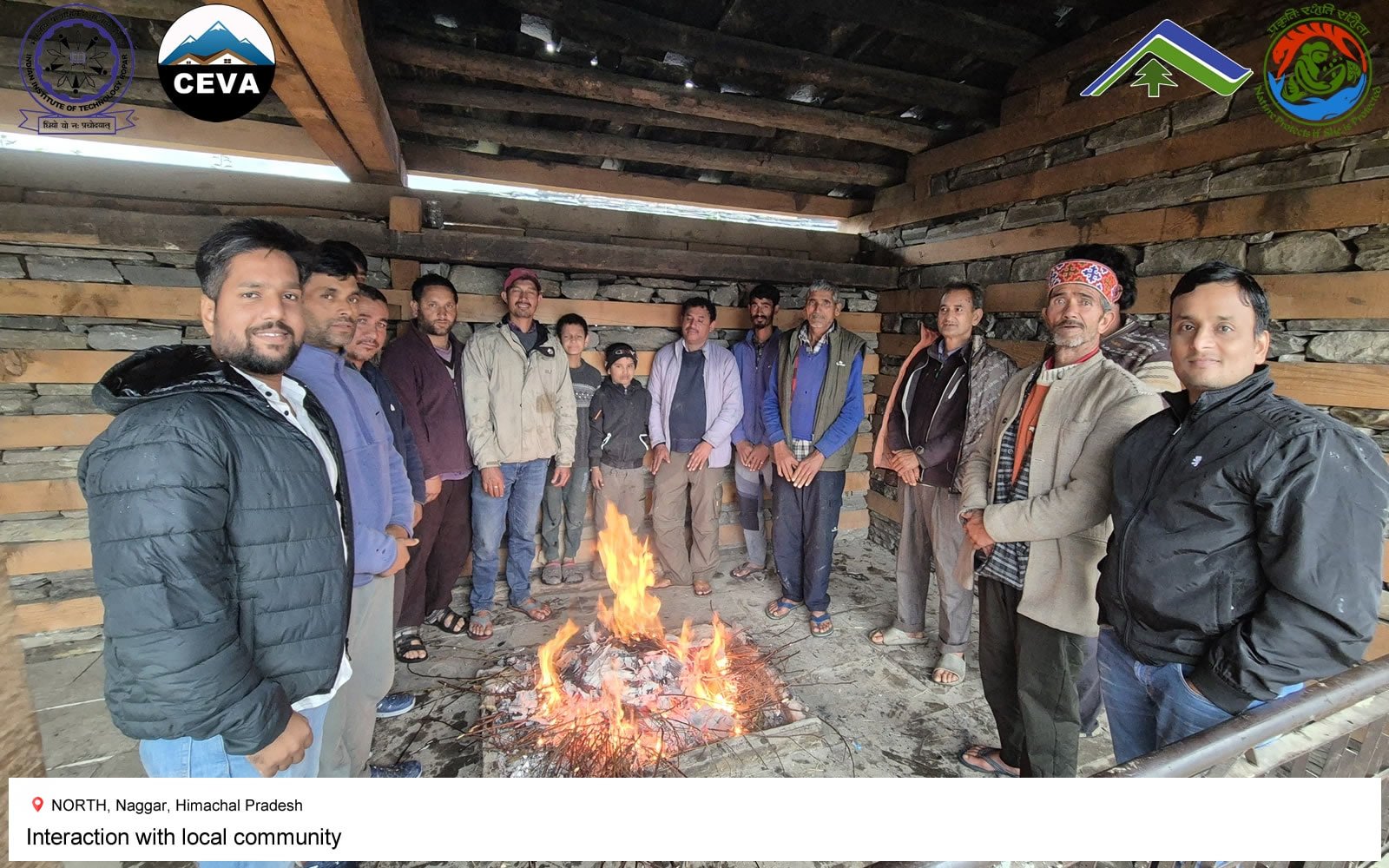
A visit to NORTH in Naggar, Himachal Pradesh, on 6 October 2025, to explore opportunities for collaboration.
The interaction was concise yet productive. We discussed the organization’s ongoing programs, their interest areas, and the potential alignment with our proposed workshop.
Initial feedback was positive, and both parties expressed interest in exploring a structured partnership.